
The Knowledge We Leave Behind
On preserving industry experience and what we choose to pass on to the next generation.
 By Devyn PizzoFounder, ASCEND Education Group
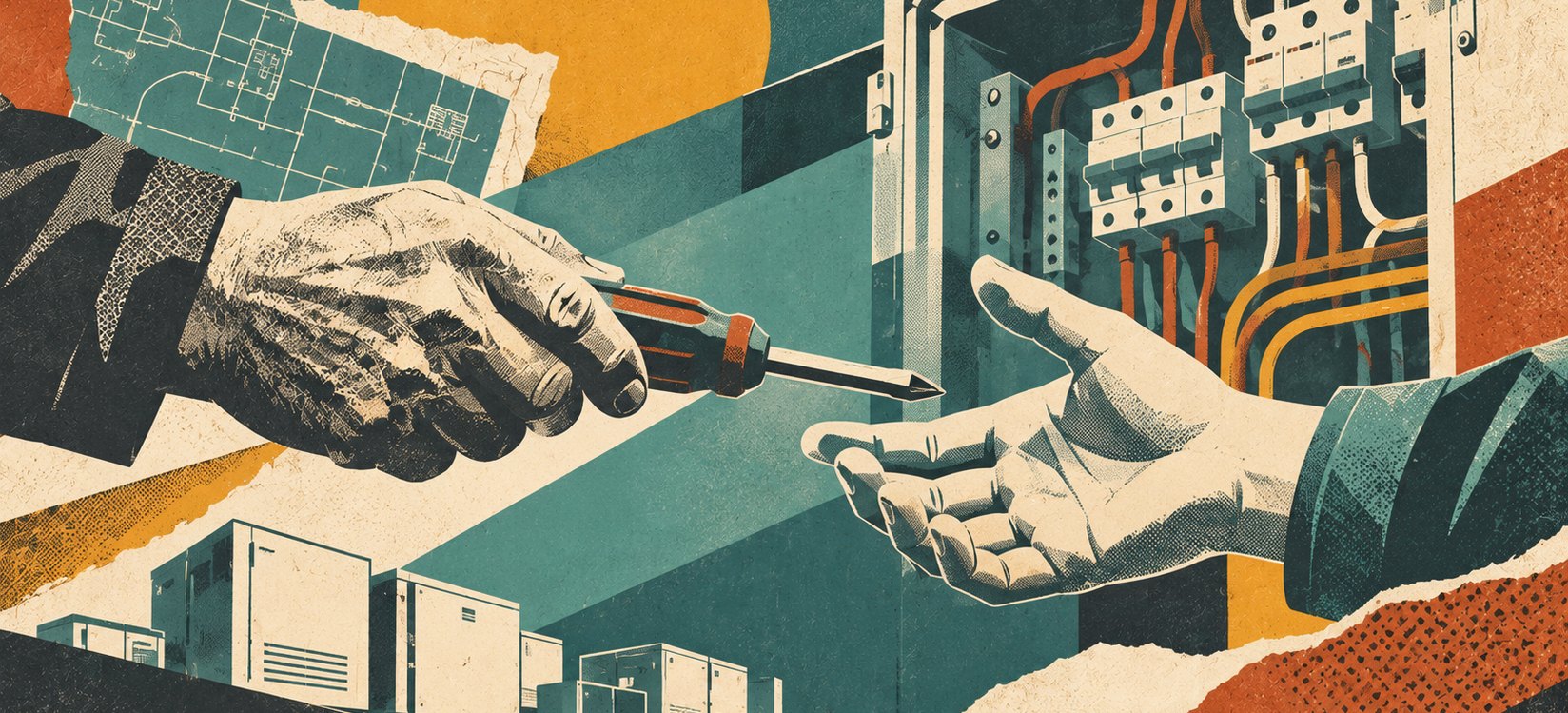
I think I made quite a powerful realization today. In a world where AI is becoming part of nearly everything we do, I think we should embrace that transition, but in the right ways. We’re living in a time where technology is changing how we approach education, yet experienced professionals are retiring from critical industries, taking with them decades of raw experience, practical knowledge, and lessons learned that we still haven’t quite figured out how to capture and pass on to the next generation.
I find that rather extraordinary, really. We have all these tools for creating and distributing information, yet we’re still struggling with something as fundamental as preserving the knowledge of those who came before us.
So why don’t we do just that?
For decades, developing educational content has required an enormous amount of time and resources. Building PowerPoints, creating technical diagrams, developing practical scenarios, and translating years of experience into something another person can understand. Technology has made much of this work easier, which makes me wonder whether the quality and genuineness of the industry experience itself should become the deciding factor in the education we create.
Think about someone who’s spent 30 or 40 years working in the electrical industry. They’ve seen equipment fail in ways the manufacturer never anticipated, encountered problems that didn’t have straightforward answers, and developed an understanding of their work that you simply cannot get from a textbook alone. Yet, if we asked that same person to develop an educational course, how many would know where to begin? Why should someone who’s spent their life becoming exceptionally good at their trade suddenly need to become an instructional designer just to share what they’ve learned?
And how much of that experience have we already lost because we never made it easier for them to pass it on?
What Happens to All That Experience?
There’s something about practical experience that I don’t think we’ve given nearly enough consideration to preserving. When someone spends decades working in an industry, they develop more than technical knowledge. They begin recognizing patterns, anticipating failures, and noticing things that someone with less experience might overlook entirely.
Ask an experienced technician why they approached a problem a particular way, and sometimes the answer is simply that something didn’t look or feel right. But there’s reasoning behind that instinct. Years of observation, mistakes, and experience have shaped how they interpret what’s happening in front of them.
And that’s the kind of knowledge I think we ought to be capturing. Not simply how a piece of equipment operates, but how someone thinks through a problem, what they notice, the questions they ask, and why they make the decisions they do.
Of course, capturing that experience is only part of it. How we teach it is just as important. Simply throwing information onto slides doesn’t mean someone is going to understand it, much less remember or apply it. AI may make educational development easier, but without thoughtful learning design, technical accuracy, and an emphasis on critical thinking, we’re just producing more content.
That’s precisely why we’ve placed so much emphasis on reasoning, decision-making, and practical application within our educational model at ASCEND. I don’t want us to simply teach someone what to do. I want them to understand why, recognize when circumstances change, and develop the ability to think through problems they haven’t encountered before.
Because what good is preserving someone’s experience if the next generation doesn’t actually learn from it?
What I Want ASCEND to Accomplish
I find it rather unfortunate that so much accumulated experience can disappear when someone retires. We have generations of professionals who’ve dedicated their lives to understanding how things work, why they fail, and how to make them better. Yet when those people leave, we’re often left trying to piece together what they knew, sometimes through the same mistakes they spent years learning to overcome.
I want ASCEND to help change that. I want experienced professionals to have a meaningful way to share what they’ve learned without expecting them to become educators themselves, and I want the next generation to benefit from those experiences in a way that develops their own understanding and judgment.
Imagine someone retiring after 40 years in an industry, knowing that what they’ve learned won’t simply disappear with them. Their experiences could continue teaching people they’ll never meet, helping solve problems they’ll never personally encounter, and perhaps even preventing mistakes they once had to learn the hard way.
Think about what that could mean across energy, manufacturing, data centers, and all the other industries that depend on people who genuinely understand their work.
I think there’s something quite extraordinary about that possibility, and that’s what I want us to accomplish at ASCEND. Not simply creating more educational content, but finding a meaningful way to preserve the knowledge of those who’ve spent their lives building these industries.
Why should the next generation have to spend decades rediscovering what the previous generation already learned?